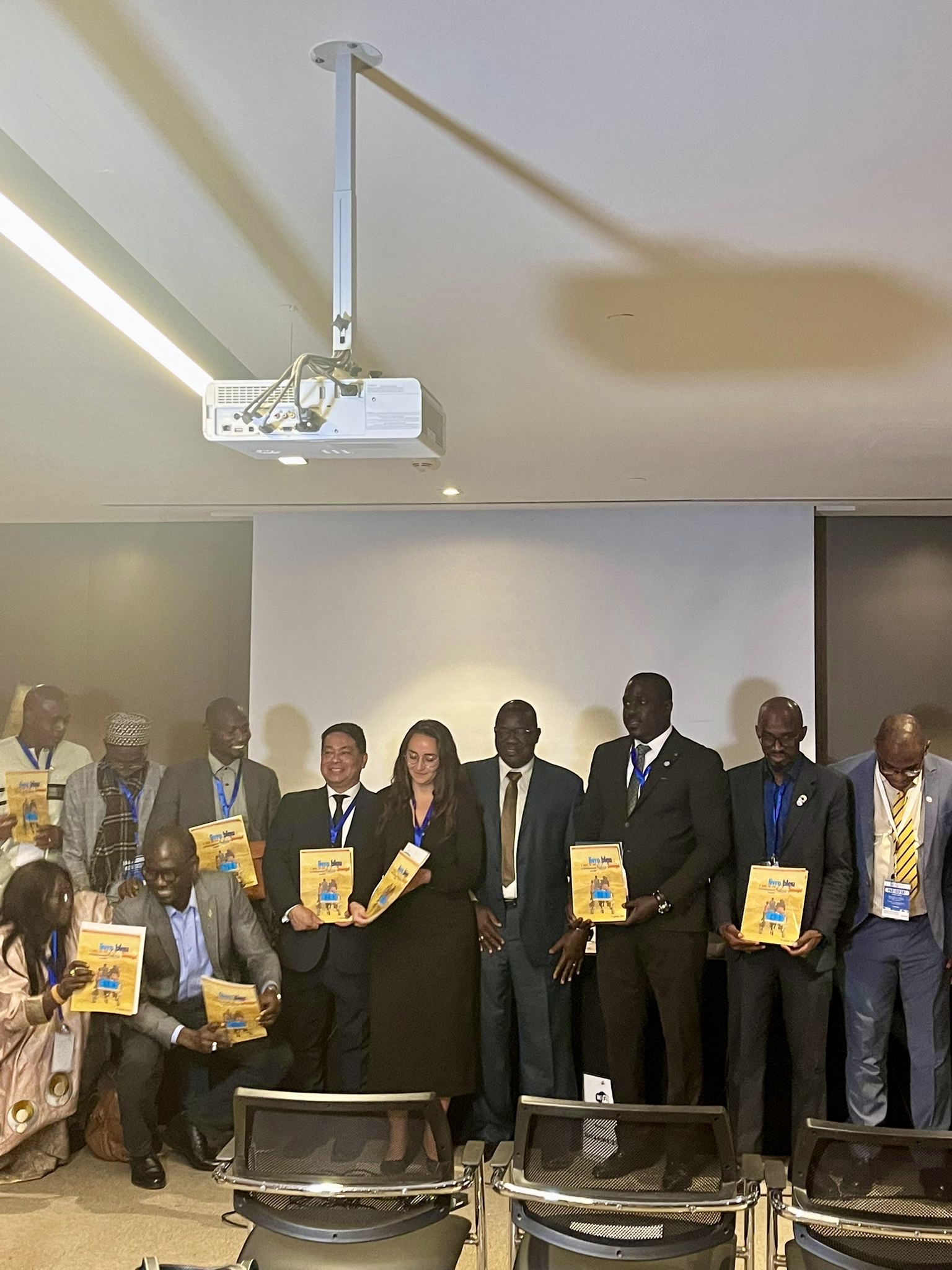
Fifteen years after a landmark first edition, Senegalese civil society, led by POSCEAS and the International Secretariat for Water (ISW), has released “Blue Book II.” This 150-page strategic report goes beyond diagnosis: it offers a roadmap to transform water access into an effective right for all Senegalese citizens by 2030.
An essential tool for monitoring and warning
The first Blue Book for Senegal dates back to 2009. Since then, the country has undergone major shifts: rapid urbanization, new legal frameworks, and increased climate pressure. For Abdoul Aziz Faye, Coordinator of POSCEAS, the time had come to measure promises against reality.
“The Blue Book is a valuable tool for raising awareness and advocating for change, as well as for measuring the level of government commitment. […] It was necessary to take stock of the recommendations formulated in 2009 and see what has actually been implemented between 2009 and 2025,” he explains.
National success vs. territorial disparities
While Senegal is a leader in West Africa with access rates generally higher than the regional average, the report warns against complacency. Blue Book II highlights persistent territorial inequalities. While urban centers benefit from modern infrastructure, many rural communities still struggle for secure and permanent access.
The report emphasizes that water and sanitation remain basic social services under tension, exacerbated by a crisis context where demand often outstrips infrastructural supply.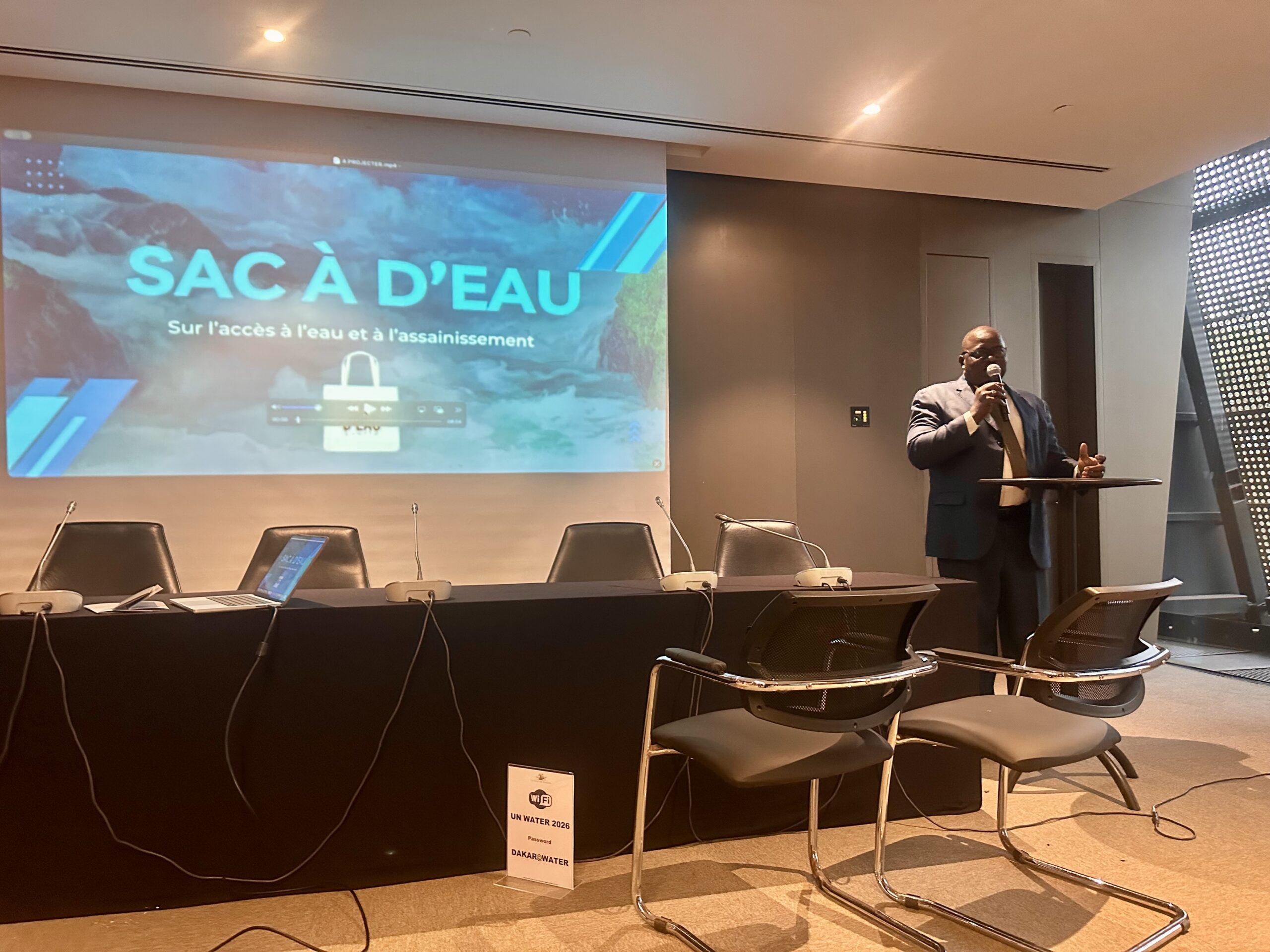
The 4 pillars of change
Blue Book II structures its recommendations around four major themes derived from participatory workshops held across all regions:
-
Reforming governance: The sector suffers from a “multiplicity of actors” that dilutes responsibility. The report calls for strengthened coordination to avoid duplication and optimize effectiveness.
-
Securing financing: Financial malfunctions are identified as the main barrier to the human right to water. Civil society advocates for increased transparency and more direct allocation of resources to underserved areas.
-
Empowering local authorities: Although the “water” competence is not officially transferred to them, local governments are the primary contacts for the population. Blue Book II demands recognition of their central role, especially in rural management.
-
Institutionalizing accountability: As Abdoul Aziz Faye reminds us, “As long as commitments are documented, it is possible to assess what has been respected.” The Blue Book thus becomes the thermometer of political will.
A bridge to the 2026 UN Water Conference
The timing of this report is strategic. It is a key contribution to the preparations for the December 2026 UN Water Conference. Senegal aims to influence the global debate by bringing a structured, fact-based vision from civil society.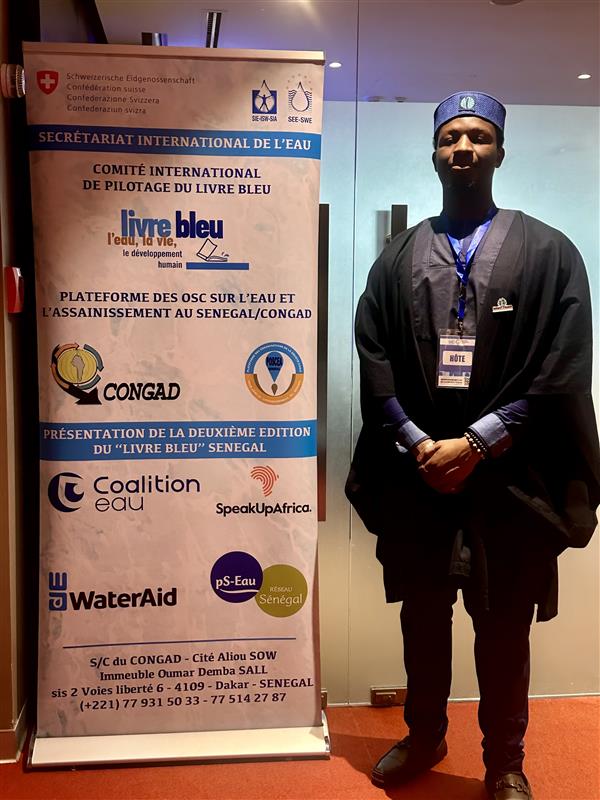
Antonella Cagnolati, President of the Blue Book International Steering Committee (ISW), emphasizes the dynamic nature of this initiative:
“The Blue Book is not just a picture; it is a film in movement. It is a process led by the Senegalese people themselves to channel voices from all regions into national and international decision-making spheres.”
The urgency to act
The final assessment is clear: at the current pace, achieving 100% of Sustainable Development Goal (SDG 6) by 2030 is not guaranteed. Blue Book II was officially delivered to Mr. Amadou Salmone FALL, Head of Cabinet of the Minister of Hydraulics and Sanitation, marking the government’s commitment to turn these recommendations into concrete strategies.
Senegal now has its roadmap. It is now up to all stakeholders—State, financial partners, and civil society—to turn this “Book” into a daily reality for every citizen.