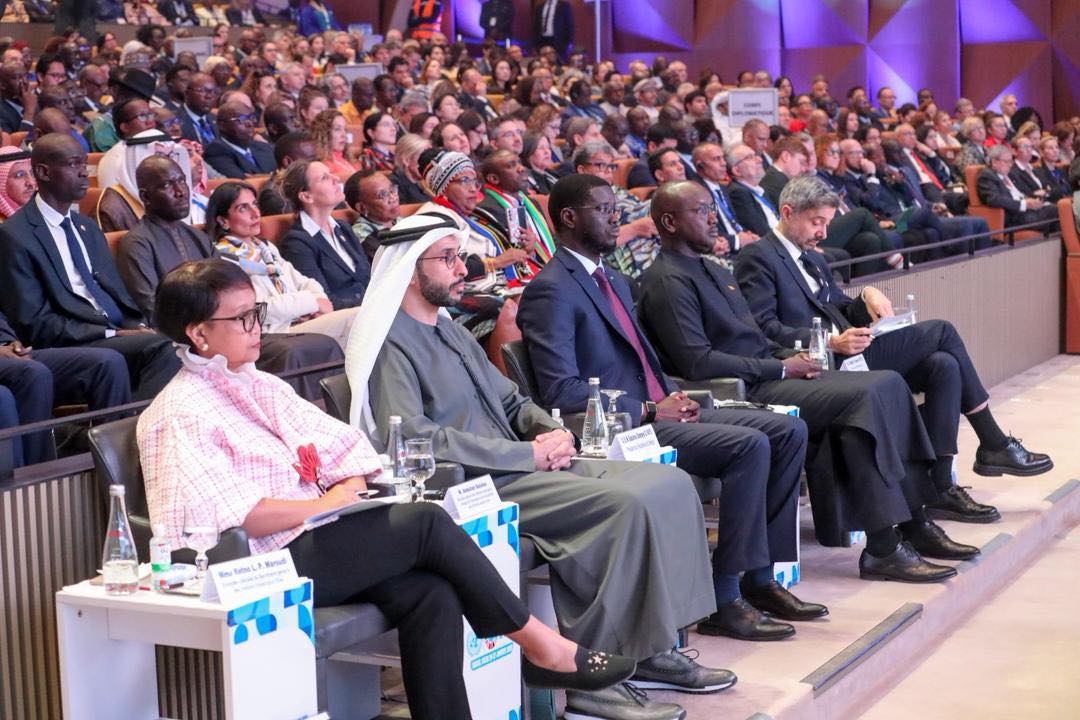
From January 25 to 27, 2026, Dakar became the capital of global water governance for a few days as it hosted the high-level preparatory meeting for the 2026 United Nations Water Conference, preceded by a full day dedicated to stakeholders. The Butterfly Effect coalition was therefore present to represent the voice of civil society with strength and determination.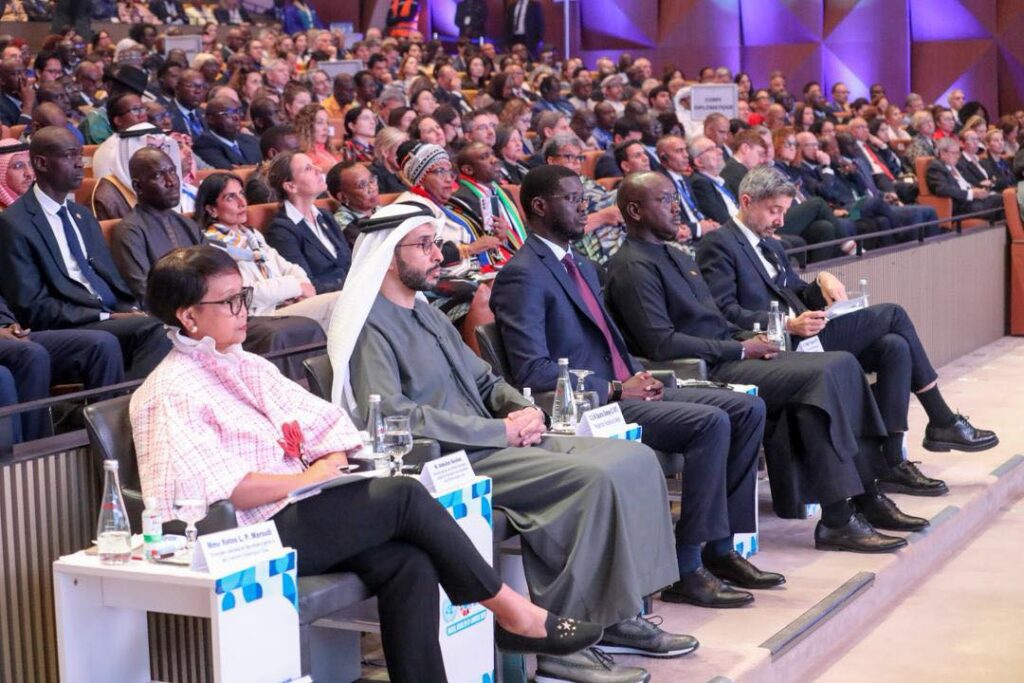
Strong mobilization
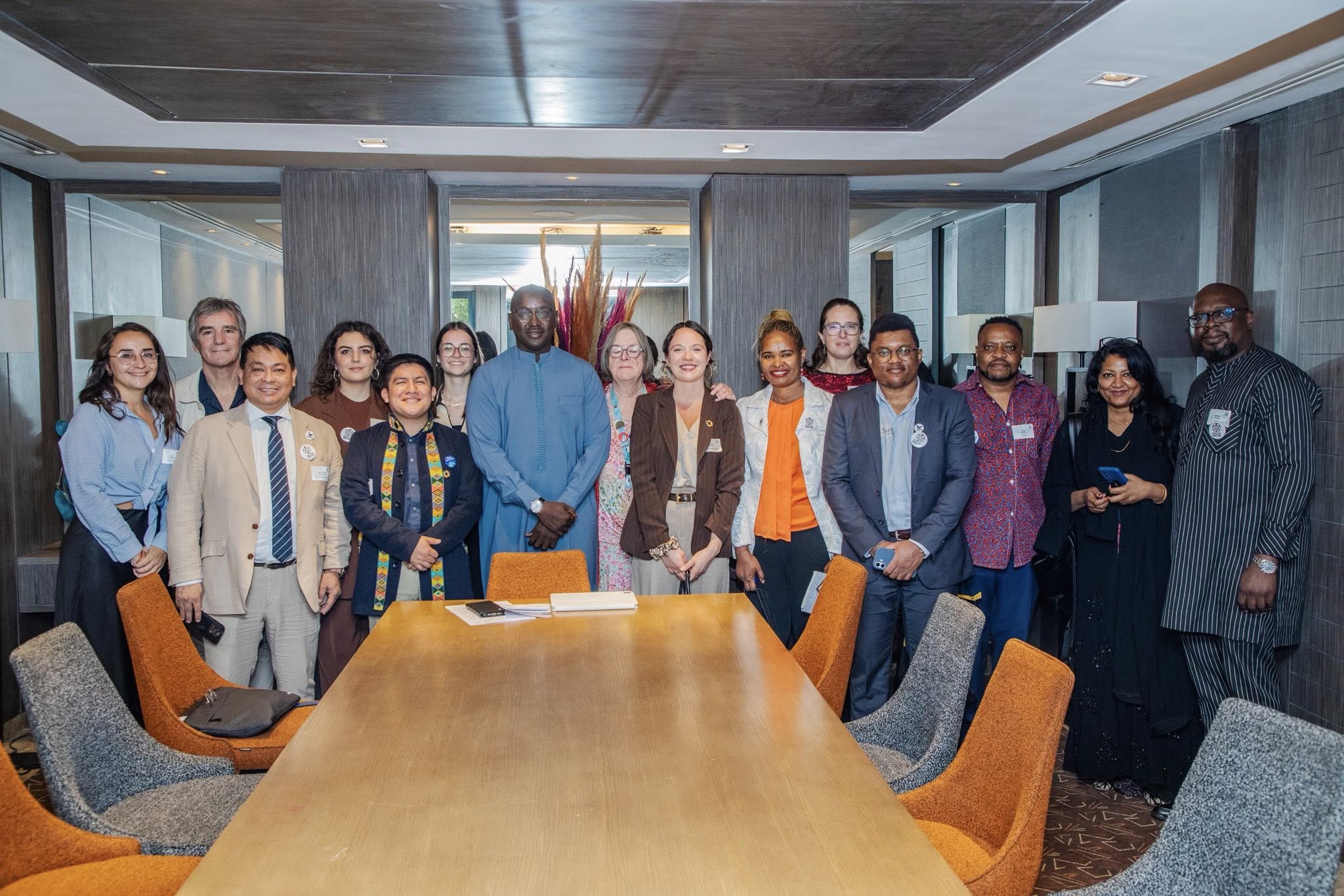
Coordinated by the Butterfly Effect Secretariat, the presence of civil society in Dakar was remarkable. Despite major logistical challenges related to visa procedures and funding constraints, more than 12 members of the coalition managed to make the trip.
Beyond the coalition members, we saw a remarkable overall mobilization of civil society. Although organizing a separate space for stakeholders can sometimes give the impression of reinforcing “silos,” the process was exemplary: government representatives, UN agencies, and special envoys actively participated in the debates, and the conclusions of the dialogues were officially reported back to the plenary session. Congratulations to the German WASH Network and ANEW for organizing this day, in collaboration with UNDESA.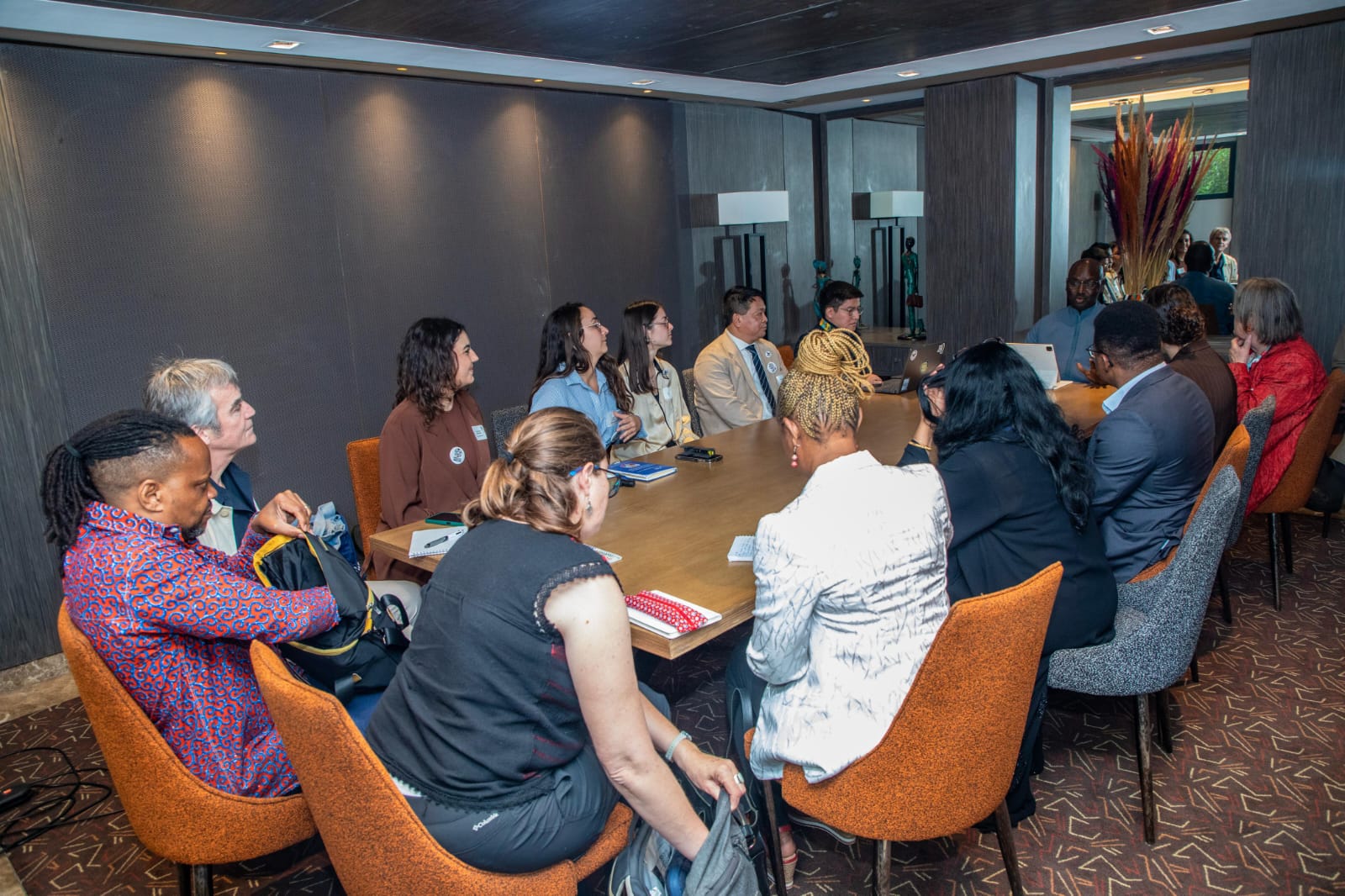
Our key messages for inclusive and sustainable governance
On the sidelines of the official sessions, the Secretariat brought together the members present to align our advocacy priorities. Four major areas were brought to the attention of decision-makers:
- Institutionalize participation: we call for civil society and young people to no longer be mere observers, but co-architects of decision-making processes (particularly in the interactive dialogues at the December Conference).
- Strengthen global governance: we call for the recognition of a global water crisis and water as a common good. We advocate for regular intergovernmental meetings leading to binding agreements.
- Prepare for post-2030: It is time to define shared frameworks for the post-2030 agenda. Among other things, we propose the creation of an advisory group to the UN Special Envoy, composed of representatives from all “major groups” (civil society, youth, academics, etc.) and maintaining the common roadmaps adopted by consensus for achieving the SDGs.
- Reform financing: Improve the allocation of funds to local organizations and the most vulnerable areas, while increasing the accountability of international donors.
Co-facilitating dialogue
The Butterfly Effect played a pivotal role in co-facilitating the discussions of Interactive Dialogue 5 (Water in Multilateral Processes) during the Stakeholders’ Day, alongside AGWA.
This role enabled us to integrate our strategic messages into the think pieces sent to the conference co-hosts (Senegal and the United Arab Emirates) and the dialogue co-chairs (Germany and Mexico).
High-level meetings
Dakar was also an opportunity to strengthen our ties with key figures in the sector:
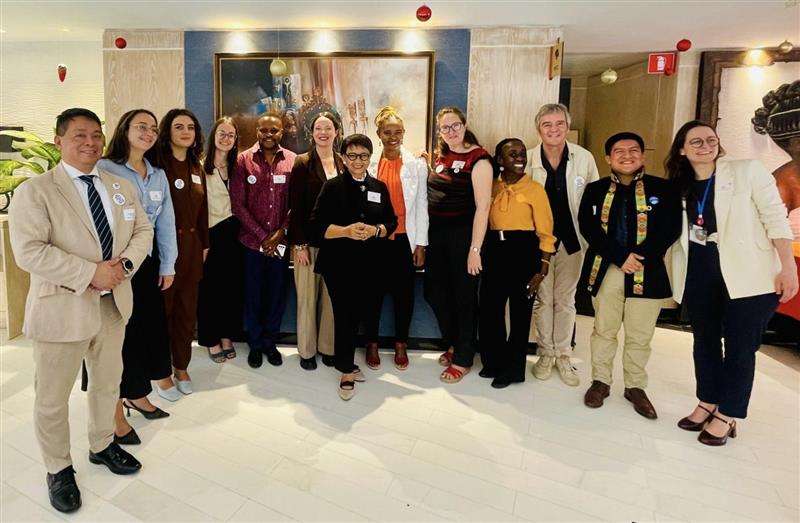
- The United Nations Special Envoy for Water, Retno Marsudi: following our open letter “Voices for Water,” we were able to discuss our recommendations. We noted a real awareness on her part of the urgency of strengthening multilateralism and the role of UN-Water.
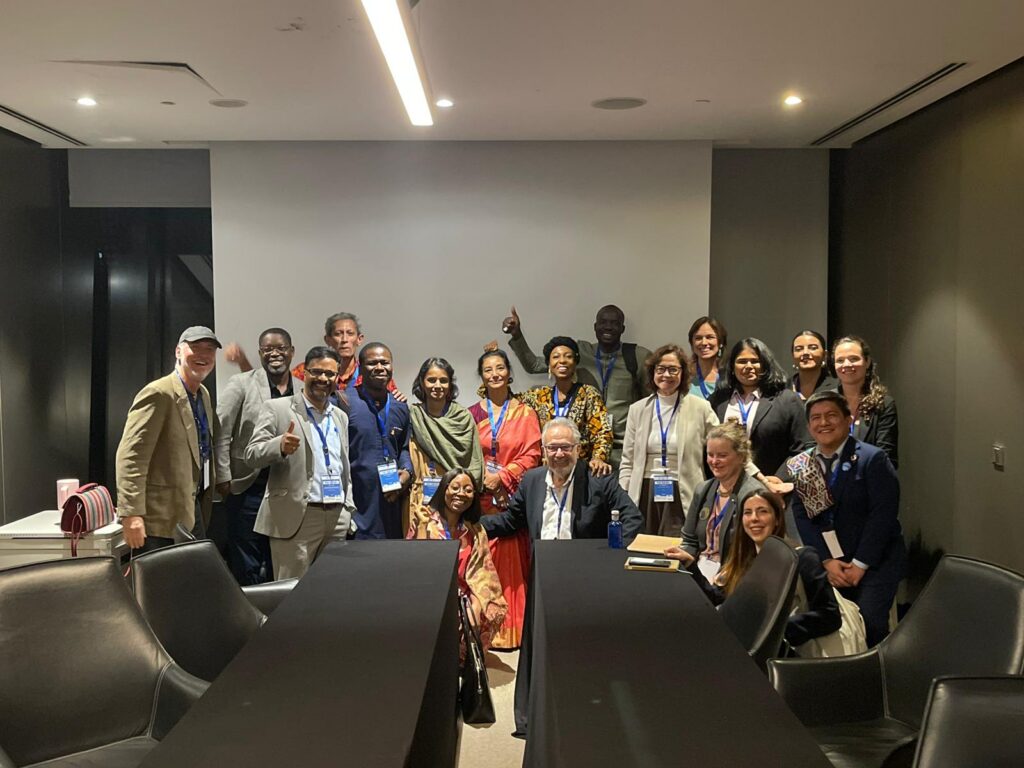
- The UN Special Rapporteur on the human rights to safe drinking water and sanitation, Pedro Arrojo: Discussions focused on the new “social platform” he is launching to coordinate social movements and rights holders within UN processes.
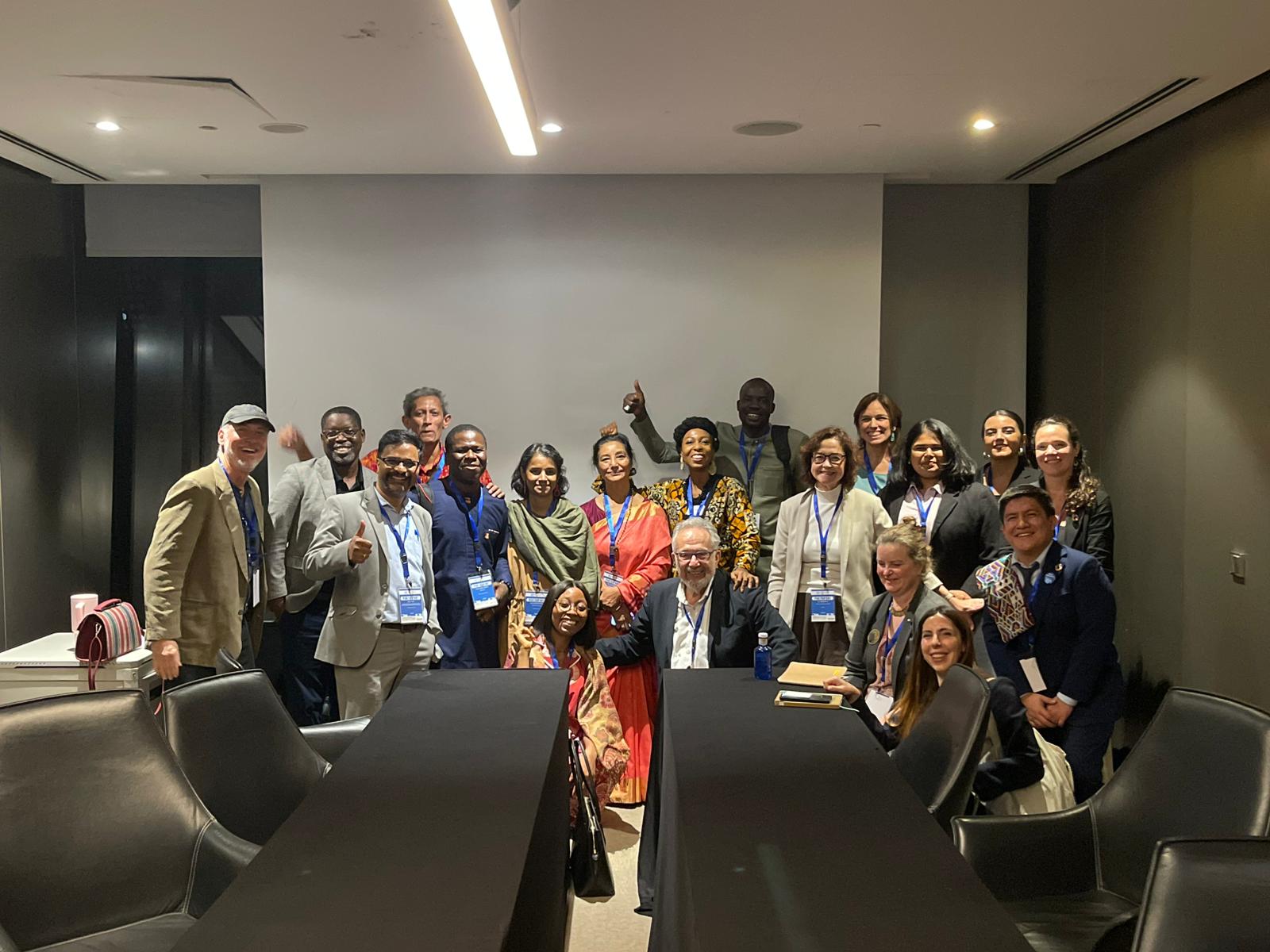
- Senegalese Minister of Water and Sanitation, Cheikh Tidiane Dieye: We were able to discuss the political priorities of the coalition and those of Senegal as co-host of the United Nations Water Conference, and ensure the inclusion of civil society in this major event for the water sector.
Looking ahead to December 2026
This milestone in Dakar confirms the role of the Butterfly Effect as the go-to platform for bridging the gap between actors on the ground and high-level political spaces.
The milestones set here not only concern the 2026 conference, but also pave the way for 2028 and the post-2030 agenda. More than ever, civil society is ready to transform global water management.